




Most fashion enthusiasts overspend by chasing every trend, leading to up to 40% overspending yearly. A strategic workflow can control spending while maintaining your style. This guide covers wardrobe audits, budgeting, smart shopping strategies, and organization techniques to help you stay fashionable without breaking the bank.
Table of Contents
- Prerequisites And Wardrobe Audit
- Core Wardrobe Essentials
- Smart Shopping Strategies
- Wardrobe Organization And Outfit Planning
- Common Mistakes And Fixes In Budget Fashion Workflows
- Expected Results And Success Metrics
- Explore Budget-Friendly Fashion Deals At Priczone
- Frequently Asked Questions
Key takeaways
| Point | Details |
|---|---|
| Wardrobe audit benefits | A thorough audit saves up to 20% of your annual clothing budget by identifying gaps and avoiding duplicates. |
| Essential wardrobe composition | Essentials should comprise 60-70% of your wardrobe to maximize versatility and reduce frequent purchases. |
| Budgeting tools impact | Using dedicated budgeting apps reduces impulse buying by 35%, keeping spending disciplined. |
| Capsule wardrobe savings | Implementing a capsule wardrobe system cuts purchase frequency by 25% while maintaining style options. |
| Garment care importance | Proper maintenance extends clothing lifespan, preventing the 30% durability drop from careless treatment. |
Prerequisites and wardrobe audit
Starting with a comprehensive wardrobe audit sets the foundation for budget-friendly fashion success. A wardrobe audit helps identify gaps and avoid duplicate purchases, saving up to 20% of clothing budget annually. This process reveals what you already own and what’s truly missing.
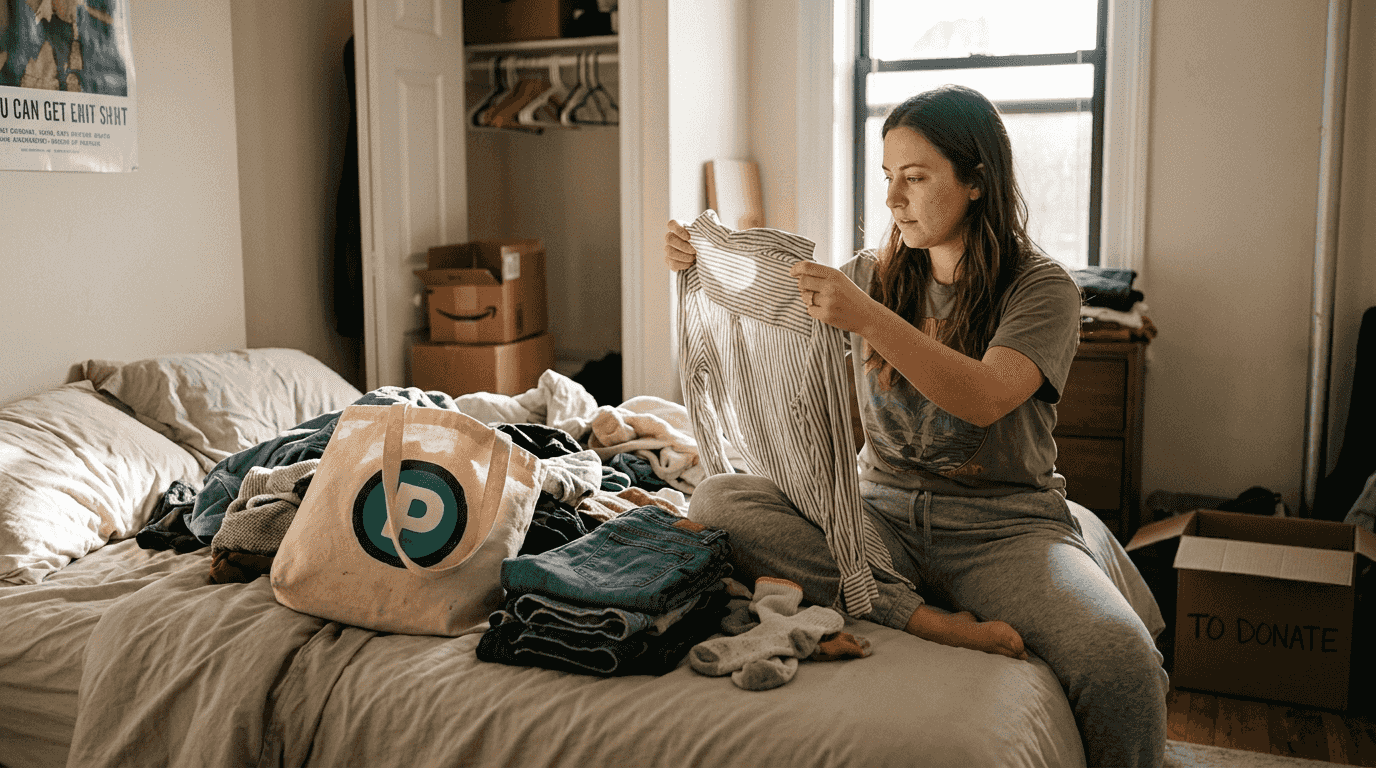
Begin by removing every item from your closet and categorizing pieces by type, season, and condition. Identify duplicates, items you haven’t worn in a year, and pieces that no longer fit your lifestyle. This clarity prevents you from buying similar items repeatedly.
Next, setting a realistic monthly clothing budget of around 5-7% of income maintains financial discipline. Track your current fashion spending for one month to establish a baseline. Then allocate your budget across essentials, trend pieces, and accessories.
Define your personal style preferences clearly to guide purchasing decisions:
- Identify three to five style descriptors that represent your ideal aesthetic
- Create a digital inspiration board with outfit examples you love
- Note colors and silhouettes that make you feel confident
- Consider your lifestyle needs and daily activities
Use your audit results to create a prioritized shopping list. Focus on filling genuine gaps rather than chasing every trend. A detailed wardrobe audit guide can walk you through this process step by step.
Review and update your budget quarterly to adjust for seasonal changes and evolving needs. This regular check-in keeps your workflow responsive and effective. Additional budgeting fashion tips can help refine your approach over time.
Core wardrobe essentials
Building a foundation of versatile essentials transforms how you approach fashion spending. Investing in versatile wardrobe essentials reduces wardrobe complexity and overall spend by enabling mix-and-match styling. Essentials should comprise 60-70% of your wardrobe for maximum styling flexibility.
Focus on quality over quantity when selecting these foundational pieces. A well-made white shirt or classic denim jacket will serve you for years, while cheap trend pieces fall apart after a few washes. Timeless essentials hold their value and always look polished.
Prioritize these categories when building your essential wardrobe:
- Neutral basics in black, white, navy, and beige that pair with everything
- Well-fitting jeans in classic cuts that flatter your body type
- Versatile outerwear like trench coats, blazers, and denim jackets
- Comfortable footwear, including sneakers, boots, and classic flats
- Simple accessories that elevate any outfit
A strong essential base decreases the need to chase every passing trend. You can incorporate trendy accents through smaller, less expensive items like scarves or jewelry. This approach keeps your style current without constant wardrobe overhauls.
“Quality essentials are the backbone of a budget-friendly wardrobe. They reduce decision fatigue, extend your wardrobe’s lifespan, and provide endless outfit combinations without constant shopping.”
Well-maintained essentials consistently look professional and put-together. They transition seamlessly between seasons and occasions with simple styling changes. Learn more about selecting budget wardrobe essentials that match your lifestyle.
Invest in pieces that align with your daily activities and climate. A coastal dweller needs different essentials than someone in a four-season climate. Customize your essential list to reflect your actual life, not aspirational magazine spreads.
Smart shopping strategies
Once you understand what essentials you need, acquiring them strategically maximizes your budget’s impact. Multiple shopping channels offer affordable options beyond traditional retail stores.
Thrift and second-hand stores provide unique, quality pieces at a fraction of retail prices. Many thrift shops receive gently used designer items and classic pieces perfect for building your essential wardrobe. Shopping second-hand also supports sustainability while stretching your budget further.
Using budgeting apps specifically for fashion purchases increases spending control and reduces impulse buys by 35%. Track every clothing purchase in real time to see exactly where your money goes. Set spending alerts to prevent budget overruns before they happen.
Consider alternative acquisition methods that reduce costs significantly:
- Explore clothing rental services for special occasions and trend pieces
- Join clothing swap events in your community to refresh your wardrobe for free
- Shop end-of-season sales for next year’s essentials at 50-70% off
- Use browser extensions that automatically apply discount codes at checkout
- Follow your favorite brands on social media for exclusive flash sales
Renting and swapping clothes offers alternatives to buying, reducing costs by up to 50% for occasional trendy fashion needs. This strategy works perfectly for event wear or experimenting with new styles without commitment.
Here’s how different shopping methods compare:
| Shopping Method | Cost Savings | Best For | Considerations |
|---|---|---|---|
| Thrift/Second-hand | 60-80% off retail | Unique pieces, essentials | Requires time to hunt, varying inventory |
| Clothing Rental | 40-50% vs. buying | Event wear, trends | Limited wear time, return requirements |
| Traditional Retail Sales | 30-50% off | Planned purchases | Timing-dependent, limited sizes |
| Clothing Swaps | 100% (free exchange) | Refreshing wardrobe | Requires participation, hit or miss |
Hunt deals strategically by planning major purchases around predictable sale cycles. January and July typically offer the deepest discounts as retailers clear seasonal inventory. Black Friday and Cyber Monday extend beyond electronics into fashion deals.
Pro Tip: Create a wishlist in your budgeting app and wait 48 hours before purchasing non-essential items. This cooling-off period eliminates most impulse buys and ensures you truly want the piece.
Explore e-commerce deals and comparison shopping to find the best prices across multiple retailers. Additional budgeting apps for fashion help automate this tracking process. Resources on renting and swapping clothes provide detailed guides for getting started.
Wardrobe organization and outfit planning
Acquiring great pieces is only half the equation. Organizing your wardrobe and planning outfits maximizes every item’s potential and prevents redundant purchases.
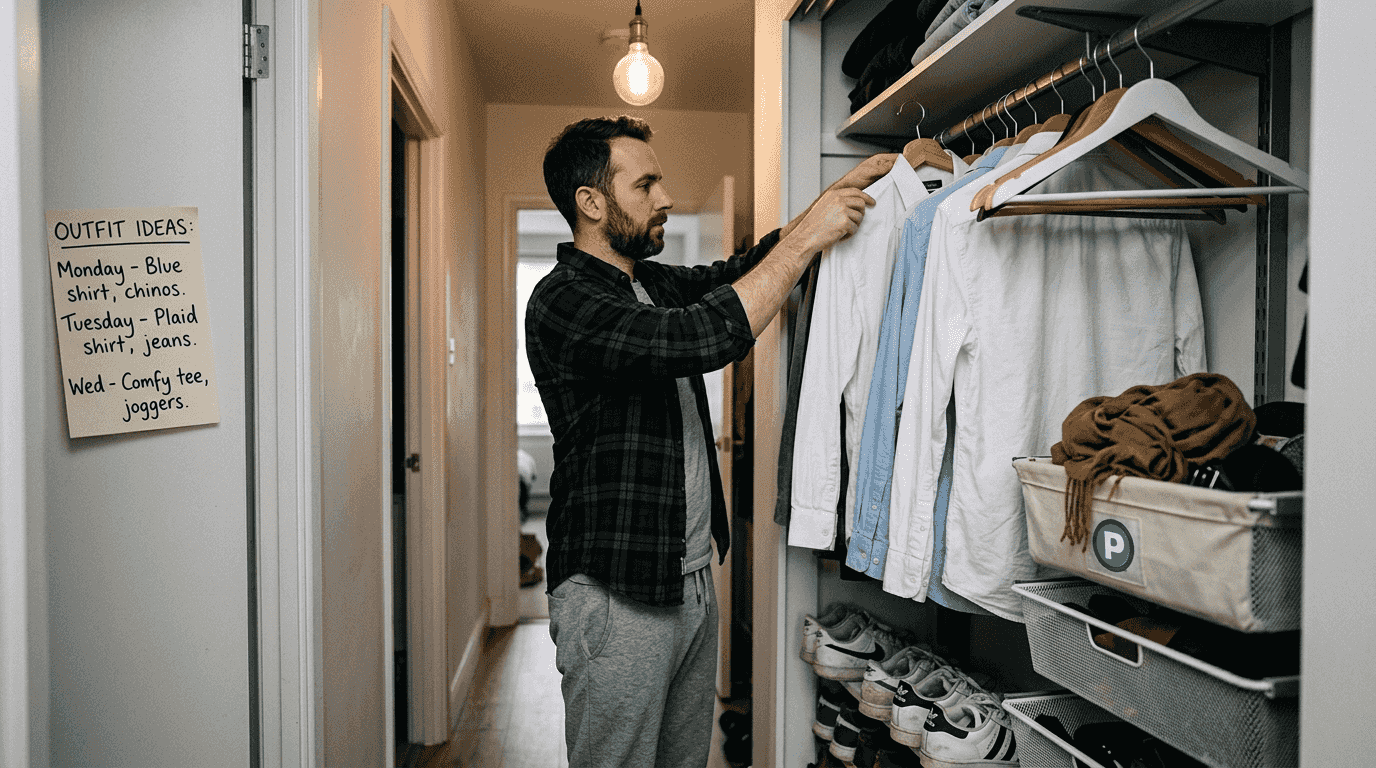
Organizing a capsule wardrobe supports sustainability and reduces purchase frequency by 25%, optimizing budget use. A capsule wardrobe contains 30-40 versatile pieces that work together seamlessly. This simplified system reduces decision fatigue and reveals outfit combinations you never considered.
Implement these steps for effective outfit planning:
- Photograph each wardrobe item on a neutral background for a digital catalog
- Create a lookbook app folder, organizing pieces by category and color
- Plan outfits for the week ahead every Sunday evening
- Document successful combinations to repeat and refine
- Schedule regular wardrobe reviews to rotate seasonal items
- Repair minor damage immediately to prevent items from leaving rotation
Planning outfits for specific occasions eliminates last-minute panic shopping. When you know exactly what you’ll wear to upcoming events, the temptation to buy something new disappears. This proactive approach saves money and reduces stress.
Regularly monitor garment condition and address issues promptly. A missing button or loose hem can sideline a perfectly good piece. Simple repairs extend clothing’s lifespan significantly and keep your wardrobe fully functional.
Pro Tip: Use a digital lookbook app to photograph and categorize every outfit combination you create. Over time, you’ll build a personalized style guide showing exactly what works, eliminating guesswork and reducing purchase temptation.
Maintain your organized system by returning items to designated spots immediately after wear. A well-organized closet makes getting dressed faster and reveals true wardrobe gaps versus perceived ones. Detailed guidance on capsule wardrobe planning helps you customize this system for your needs.
Consider seasonal rotations to keep your active wardrobe manageable. Store off-season items in vacuum bags or bins to free closet space and reduce visual clutter. This practice also provides natural audit points twice yearly.
Common mistakes and fixes in budget fashion workflows
Even with the best intentions, certain pitfalls derail budget-friendly fashion efforts. Recognizing these mistakes early helps you course-correct before financial damage accumulates.
Chasing every trend causes up to 40% overspending yearly. Trends cycle rapidly, making it impossible to keep current without constant purchases. Instead, select one or two trends per season that genuinely align with your style and incorporate them through small, affordable accessories.
Avoid these common errors:
- Buying clothes without trying them on or checking measurements carefully
- Ignoring care labels and washing everything the same way
- Shopping when emotional or bored, rather than from a planned list
- Failing to track spending until credit card bills arrive
- Keeping ill-fitting items, hoping they’ll work eventually
- Not budgeting for alterations that make clothes fit perfectly
Neglecting outfit planning and budgeting leads to wasteful duplicate purchases. You forget what’s already hanging in your closet and buy similar items repeatedly. Regular wardrobe reviews and outfit documentation prevent this expensive oversight.
“Ignoring clothing care reduces garment lifespan by 30%, increasing replacement costs. Proper washing, storage, and repairs transform budget pieces into long-term wardrobe investments.”
Fix poor garment care habits by learning basic maintenance skills. Hand-washing delicates, using garment bags for machine washing, and air-drying extend clothing life dramatically. Store items properly on hangers or folded to prevent damage and wrinkles.
Address sizing mistakes by always checking size charts and reading customer reviews about fit. Many online shoppers skip this step and end up with unwearable items. Take your measurements once and reference them for every purchase.
Replace emotional shopping with planned purchasing from your curated wishlist. When you feel the urge to shop, review your outfit lookbook instead. Usually, you’ll rediscover combinations that satisfy the desire for something new without spending money.
Explore comprehensive guides on budgeting mistakes and garment care importance to deepen your understanding and avoid these costly errors.
Expected results and success metrics
Applying this budget-friendly fashion workflow consistently delivers measurable financial and style benefits. Tracking specific metrics helps you quantify progress and stay motivated.
You can realistically save up to 20% annually on clothing expenses through disciplined wardrobe audits and budgeting. This translates to hundreds of dollars redirected toward savings or other financial goals. The reduction comes from eliminating duplicate purchases and focusing spending on genuine needs.
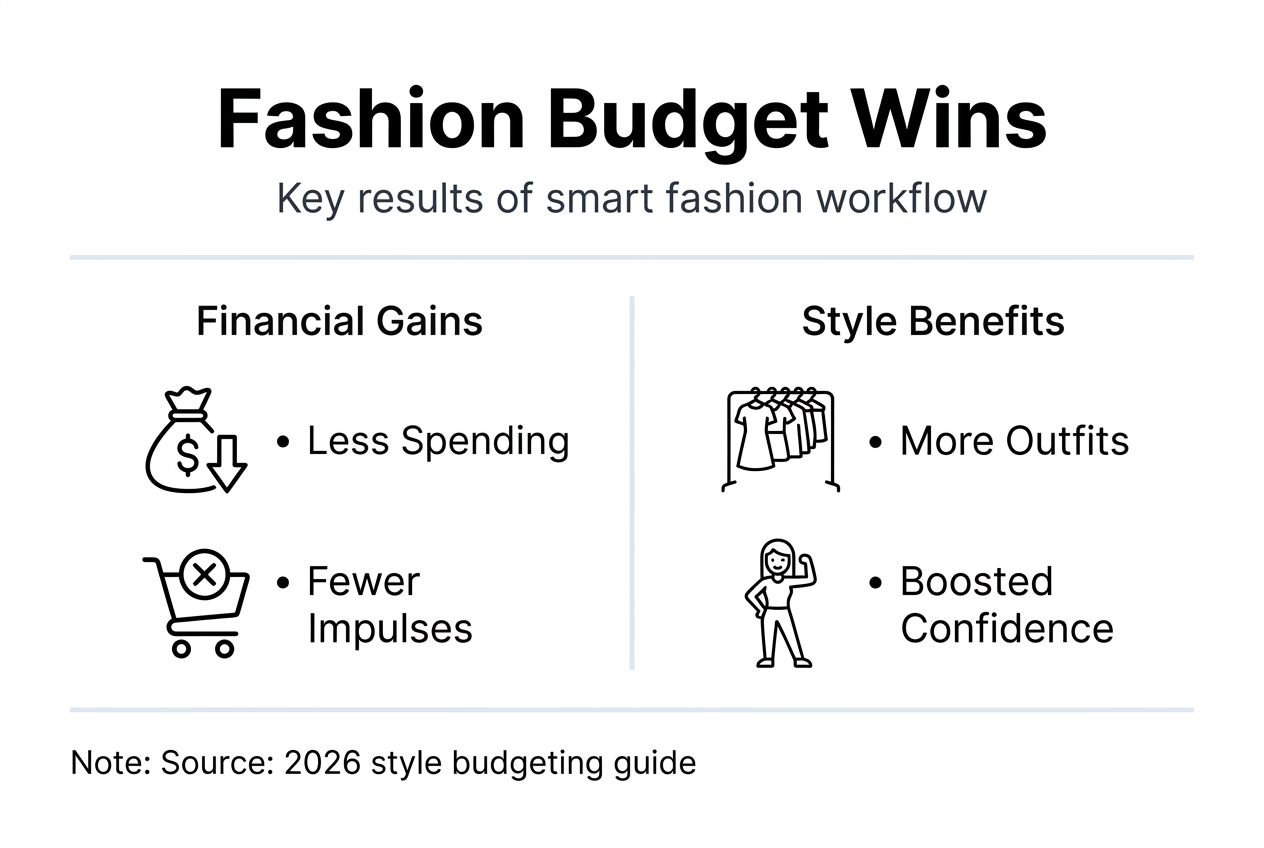
Budgeting tools reduce impulse purchases by 35%, keeping more money in your account. This behavioral shift compounds over time as you develop stronger spending discipline. Fewer regret purchases mean a wardrobe filled only with pieces you love and wear regularly.
Implementing a capsule wardrobe cuts purchase frequency by 25% while actually increasing outfit variety. You’ll discover more combinations from fewer pieces, proving that less truly is more. This simplified approach also reduces decision fatigue and morning stress.
Beyond financial metrics, you’ll gain confidence in your personal style and financial control. Understanding what works for your body and lifestyle eliminates second-guessing and comparison shopping. This clarity makes getting dressed enjoyable rather than stressful.
Here’s a summary of key success metrics:
| Metric | Expected Improvement | Impact |
|---|---|---|
| Annual clothing budget savings | Up to 20% reduction | Hundreds of dollars saved yearly |
| Impulse purchase reduction | 35% fewer unplanned buys | Better budget adherence, less regret |
| Purchase frequency decreases | 25% fewer shopping trips | More intentional wardrobe, less clutter |
| Outfit variety increases | 40% more combinations | Greater versatility from existing pieces |
| Garment lifespan extension | 30% longer wear | Reduced replacement costs, sustainability |
| Style confidence boost | Significant improvement | Faster morning routines, authentic expression |
Track your progress monthly by reviewing spending against budget and photographing your favorite outfits. Celebrate wins like wearing an item ten different ways or resisting a tempting impulse buy. These small victories build the habits that transform your relationship with fashion spending.
Explore budget-friendly fashion deals at PricZone
Now that you’ve mastered creating a budget-friendly fashion workflow, finding affordable pieces becomes your next step. PricZone offers an extensive selection of discounted fashion items across categories, helping you implement your new strategy immediately.
Browse curated collections of budget-friendly women’s, men’s, and kids’ clothing that align perfectly with building versatile capsule wardrobes. The PricZone shopping experience emphasizes user-friendly navigation and deal discovery, making it easy to find quality pieces within your budget.
Discover affordable deals at PricZone featuring seasonal promotions and exclusive discounts that stretch your fashion budget further. The platform aggregates deals across multiple categories, so you can build your essential wardrobe and add trendy accents without overspending.
Explore diverse women’s and men’s clothing options perfect for creating mix-and-match outfits. From timeless basics to seasonal accessories, PricZone’s variety supports every aspect of your budget-friendly fashion workflow while maintaining quality and style.
Frequently asked questions
What is a budget-friendly fashion workflow?
A budget-friendly fashion workflow is a structured process combining wardrobe audits, strategic budgeting, smart shopping, and organization to maintain your style within financial limits. This systematic approach helps reduce impulsive purchases while improving outfit versatility and overall wardrobe satisfaction.
How often should I audit my wardrobe?
Audit your wardrobe at least twice yearly, ideally during seasonal transitions in spring and fall. These regular reviews help you adjust for changing weather needs, identify evolving style preferences, and prevent unnecessary spending by revealing what you already own.
Can renting clothes save money on trends?
Renting clothes can reduce costs by up to 50% compared to purchasing trendy pieces outright. This approach works perfectly for special events, experimenting with new styles, or following short-lived trends without long-term wardrobe commitment or storage requirements.
What are common budgeting mistakes in fashion?
Chasing every trend and skipping outfit planning causes up to 40% overspending annually through duplicate purchases and impulse buying. Ignoring proper garment care also significantly raises replacement costs by reducing clothing lifespan and forcing premature repurchasing of damaged items.
Recommended